Your Leadership Is on Autopilot. Here’s How to Know.
I’ve been thinking about AI a lot recently. Which isn’t news, because who isn’t? But what I keep coming back to is leadership. Specifically, what AI demands of the humans still in …
Read more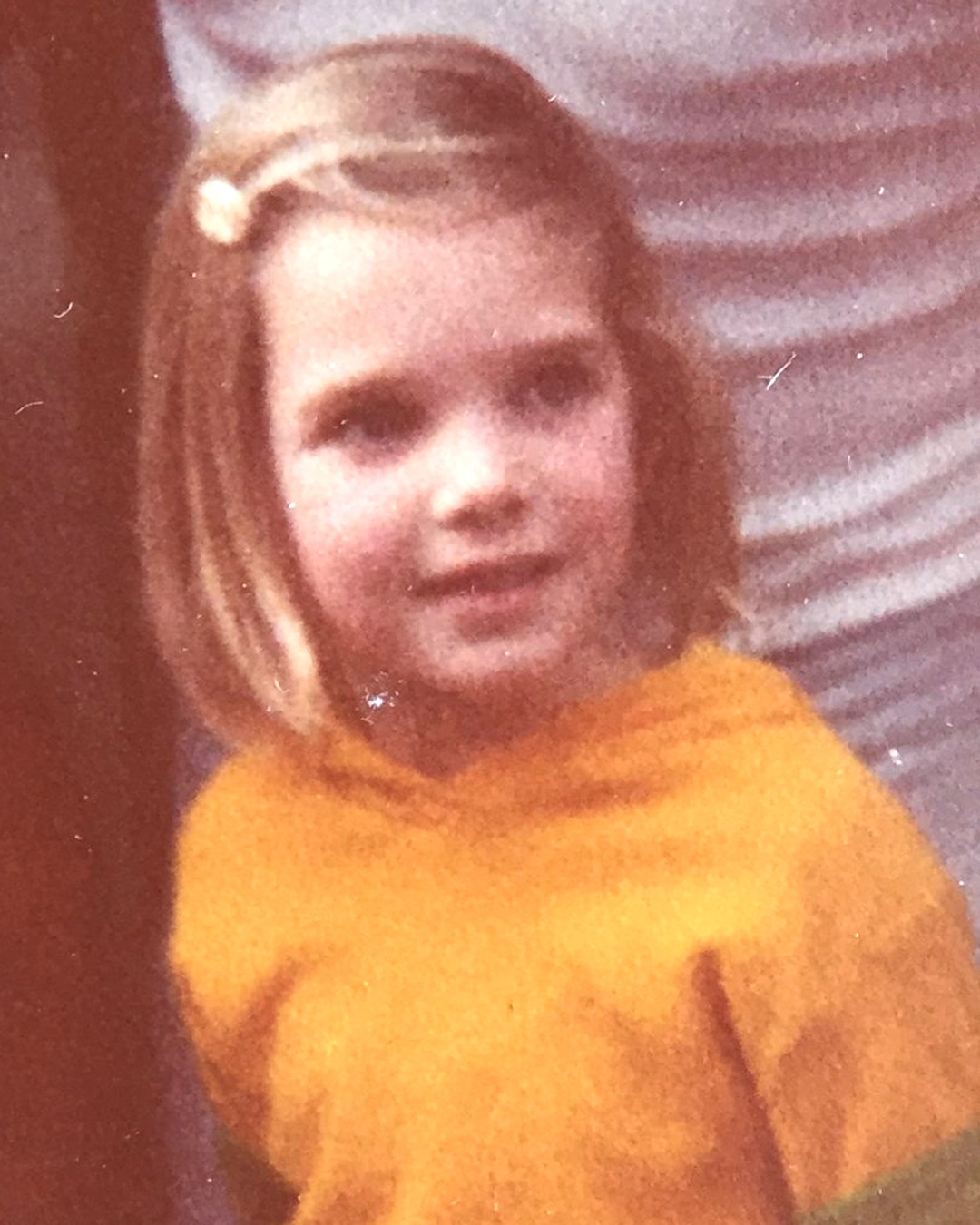
When I was a kid, I loved imaginary play. There was an entire summer when I was obsessed with the show “Flipper,” and I spent my mornings pretending I had a pet dolphin. I created extravagant scenes and imagined situations that my “Flipper” and I navigated. It was a world in my head and I loved it.
When my time “playing” with Flipper came to a close, I picked up a paintbrush and began painting marine life. Dolphins, of course, but also humpback, right, and minke whales, octopus, seahorses, and schools of fish. A friend and I wanted to market our designs as a T-shirt brand, Cetacea (the biological order of fully aquatic marine mammals that includes whales, dolphins, and porpoises). We would sit in my driveway and create designs for hours. We even had a set of “business hours.” The sign with those hours still hangs in my parents’ garage.
But at some point, I stopped imagining. I stopped creating.
I’m not alone.
It turns out I wasn’t just playing. Developmental psychologists have a less whimsical name for what I was doing in that driveway: counterfactual reasoning. I held the world as it was in one hand and the world as it could be in the other, and I reasoned my way through the second one. Children do this constantly. It’s how they learn.
And then we stop. We don’t lose the ability. The brain, being efficient, prunes what we don’t use and doubles down on what we do. Psychologist Alison Gopnik describes it as a shift from “explore” to “exploit.” Children are built to sample widely and entertain improbable possibilities. Adults are built to execute on what already works. She calls children the research and development department of the human species, and adults production and marketing.
By midlife, most of us have become exquisitely good at a narrow set of things and lost, without noticing, the capacity to picture anything else. One often-cited study found that nearly all five-year-olds test at the highest level of imaginative thinking. By adulthood, only two percent could hit that level.
This normal developmental process is why so many of us feel stuck. Recently, I connected with a senior executive who told me something had felt off in her career and life for over two years. In her words, “I’ve got this sense that there’s something more for me, something else, deeper somehow, that I’m supposed to be doing.” When I asked what her life might look like if she followed that pull, she went quiet. She wasn’t resisting. She just couldn’t see it. Her body knew something was off, and her imagination had nothing to offer back.
That is the trap of midlife. Most of us do want something different. We just can’t picture what it looks like.
I’ve come to believe our capacity for imagination doesn’t die. It stops being free.
When we were kids, imagination cost nothing. The brain was growing, sampling everything, keeping every door propped open. Our adult brains aren’t fixed. They can still rewire, but they need a reason: novelty, attention, practice. Something has to interrupt the existing patterns before a new one can form.
This is what a pause is for. People treat it as a luxury, or an escape. It’s a necessity.
Neuroscientists have found that the part of the brain responsible for imagining, reflecting, and simulating possible futures is most active when we are not doing anything in particular. Not on a call or clearing the inbox, and not even trying to figure “it” out. It lights up on a walk, in the shower, on a long drive with the radio off. We’ve been focused on being productive and efficient for so long that we’ve starved the part of ourselves we now need most.
My client didn’t have an imagination problem. She had a space problem. There was no room in her week, or her nervous system, for a second reality to take shape.
The competence we’ve built by midlife is real and hard-won, and I don’t think anyone needs to “let go” of it. What we need is to stop crowding out the other thing, and make room for who we are becoming. In my experience, the way back in is rarely through the head. It’s through the hands.
I didn’t reason my way back to imagination as a kid. I picked up a paintbrush. The ideas came after. I see the same thing with the leaders I work with now. The ones who find their next chapter start doing something small, even if it sounds slightly ridiculous. An improv class. A journal. An afternoon off with no agenda. A conversation with someone whose life looks nothing like theirs. The doing wakes something up, and then, slowly, the seeing returns.
That’s the work of the reimagined leader: reclaiming the part of you that built all this in the first place.
The sign with the business hours still hangs in my parents’ garage. Cetacea never sold a single shirt. But the twelve-year-old who painted those whales already knew something I spent decades forgetting: you have to be able to see it before you can live it.
What did you imagine, back when you still did? And when was the last time you let yourself?
Suzanne Roske is a leadership and life coach, speaker, former PwC partner, and founder of Vamonos Executive Coaching. She helps high-achieving women, executives, and leadership teams reconnect with themselves and lead with greater intention.
I’ve been thinking about AI a lot recently. Which isn’t news, because who isn’t? But what I keep coming back to is leadership. Specifically, what AI demands of the humans still in …
Read more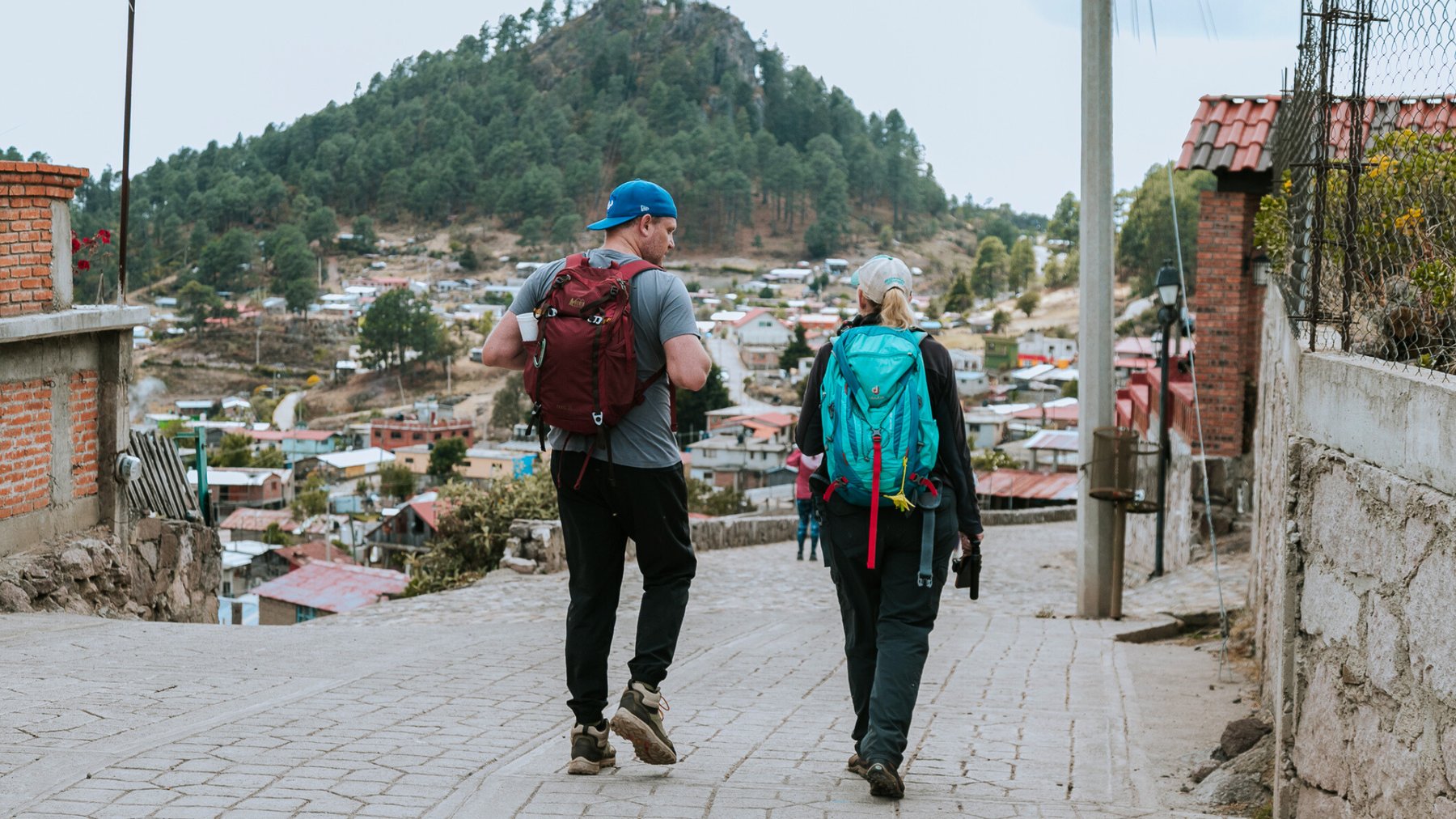
Right now, my son is on a gap year. He’s been hiking in Patagonia — moving through Chile and Argentina with a backpack and wide-open eyes. He’s wandered through mountain towns, cro…
Read more
There’s a moment — silent, subtle, and almost always inconvenient — when you realize something in your life isn’t fitting the way it used to. A role.A rhythm.A routine.A responsibi…
Read moreBook a free discovery call to see if working with Suzanne is right for you.